Election officials throughout the country have expressed concerns about November elections due to all of the recent changes. Read more about those concerns here.
Asides
On July 4th, take time to remember abolitionist Frederick Douglass.

Years ago slavery abolitionist, Frederick Douglass, gave a speech entitled,”What to the Slave is the Fourth of July?” Click here to watch a powerful rendition of the descendants of Frederick Douglass reciting this powerful speech.
The debate surrounding voting rights in the Senate.
There is currently debates going on in the Senate about strengthening the Voting Rights Act of 1965. The restoration of voting rights is needed to ensure that everyone truly has an opportunity to remain civically engaged in our democracy. Read more about it here.
November 2020 elections may lead to “the perfect storm” for voter suppression.
In primary elections that have taken place in Kentucky and in Georgia there has already been scenarios of voter suppression. Since Shelby v. Hunter took away many of the protections of the Voting Rights Act of 1965, voter suppression has been at an all time high. Read more here about how November elections may lead to one of the worst cases of voter suppression yet.
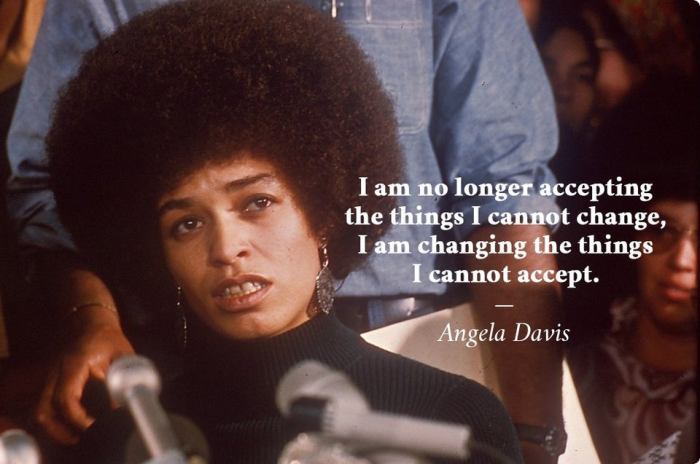
Juneteenth in 2020 gets the nationwide recognition it deserves.
Juneteenth has served as the commemoration of the day when some of the last of the enslaved finally learned of their freedom in 1865. In 1865, two years had passed since the Emancipation Proclamation, and slaves were deemed “legally” free. Amid a global pandemic and weeks of protest calling for racial equality, Juneteenth is being recognized by more states and by an array of companies than it ever has been before. View pictures and read about the nationwide Juneteenth celebrations here.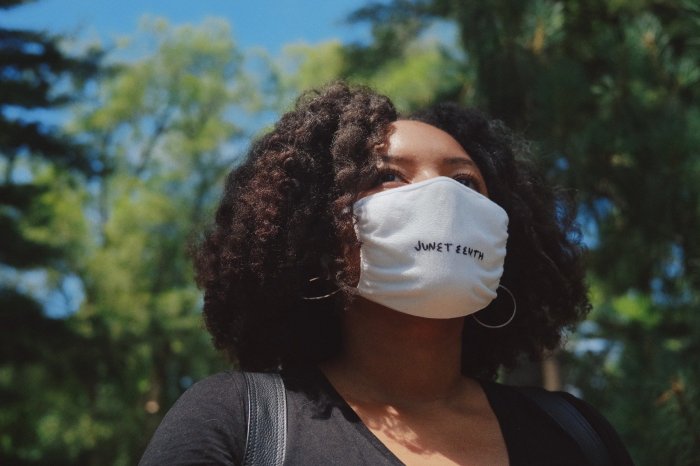
This day in history, Thurgood Marshall was appointed to the United States Supreme Court.
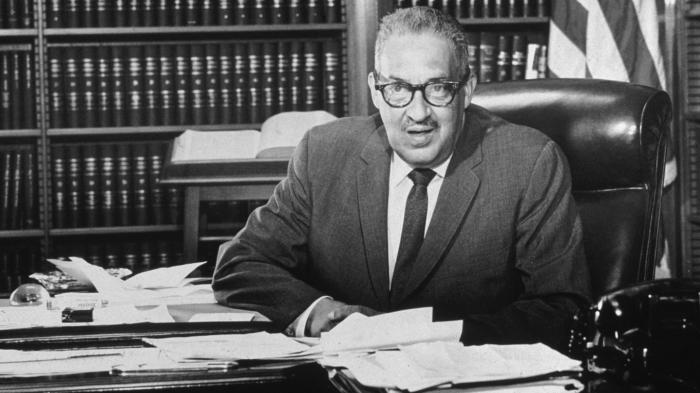
On this day in history, Thurgood Marshall was appointed to the United States Supreme Court. Thurgood Marshall was appointed by President Lyndon B. Johnson and sat as the first African American to serve on the highest court in the country. Thurgood Marshall’s appointment exemplifies the importance of exercising one’s right to vote and the power that the President has in appointing Supreme Court Justices. Read more about Marshall’s appointment here.
Major obstacles took place in Georgia’s most recent primary.
Extremely long lines and issues with voting machines caused major issues in Georgia’s most recent primary. The Executive Director of the American Civil Liberties Union of Georgia made a statement that although she is proud of voter turnout elections should not be ran in that manner. Read more about what took place in Georgia’s most recent primary here.
Baltimore city’s election still cannot be determined following first election in Maryland primarily conducted by mail-in ballots.
Baltimore’s primary election which included primaries for the presidential election, mayoral seat, and Baltimore’s city council president took place on June 2nd, 2020. Days after the election the important local seats can still not be determined due to a number of issues with the mail in ballots which ultimately resulted in the state board of elections administrator resigning. Read more about the current status of Baltimore city elections here.
Recent protests have led to a spike in voter registration.
George Floyd protests have led to an increase in voter registration. Although, many may have believed the increase took place among African American voters the increase actually took place in the Latin community. Read more about the increase in voter registration here.
Voters opt to vote in person despite vote-by-mail option.
Recently, a number of states held their primaries. In Maryland, the state held their state and national primary elections. This was the state’s first time urging voters to vote primarily by mail due to Covid-19 restrictions. Voting in person was still allowed as an alternative for individuals who may not have received their ballot in the mail or experienced other obstacles. However, many people chose to vote in person and wait in line despite the mail-in option. What took place in this election may be a predictor of what takes place in elections come November. Read more about voters experience in Maryland’s primary election here.

#Blackouttuesday
Read more about this initiative started by the music industry and supported by individuals across the country here.

Could self-driving cars help limit irregularities in the voting process?
Many people are starting to raise questions now that 2020 elections will primarily be conducted through the mail. Read more here about how some believe that self driving cars can be a resolution to some of these problems.
Wisconsin officials have been officially sued after election failure.
The election failure that took place in Wisconsin is now being recognized as the “biggest election failure since the Voting Rights Act was enacted”. Thousands of individuals were denied the right to vote as a result of the way Wisconsin elections were handled. Read more about the current litigation here.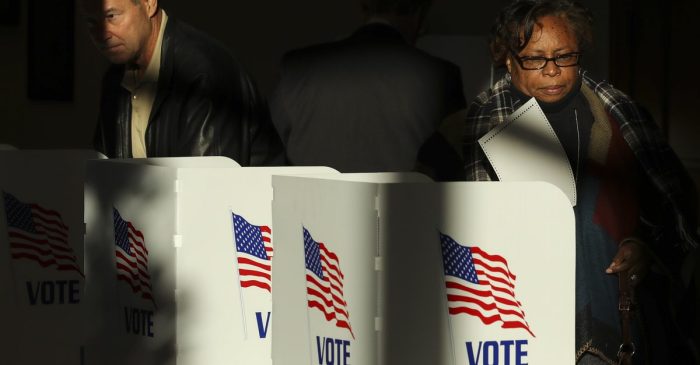
Today, the House is set to vote on $3 trillion aid package and historic rules changing remote voting.
This resolution being voted on today is considering additional aid to the american public as well as new options for remote voting. This bill would allow individuals to utilize technology to one day cast their votes from home. For example, House Majority Leader Steny Hoyer, suggested members could utilize technology similar to FaceTime to call to cast their votes. Read more about this historic legislation here.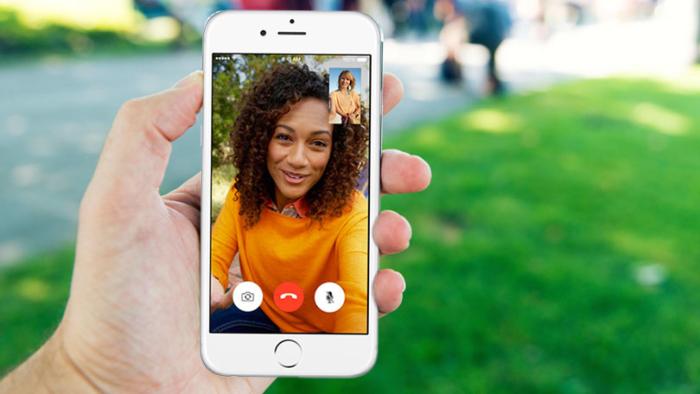
 Civil Rights Today