The legal fight over how to protect the right to vote is constantly growing during Covid-19. Currently reading this piece on absentee voting throughout the country.
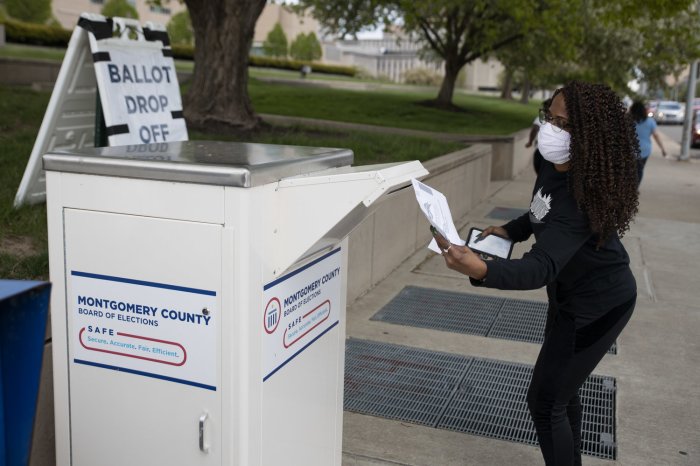
The legal fight over how to protect the right to vote is constantly growing during Covid-19. Currently reading this piece on absentee voting throughout the country.
On this special day that we honor mothers across America, we should also take a minute to honor some of the women who served as mothers and “unsung heroes” of the civil rights movement. Read about these amazing women here. .
.
The death of Ahmaud Arbery is yet another black mother’s son who was killed for the crime of jogging while black. The delay to charge the killers until now demonstrates why it is important to elect people who will represent justice and equality.
Read more here.

On May 6, 1960 the Civil Rights Act of 1960 was signed into law. The Act was intended to strengthen voting rights across the country. It specifically included provisions calling for the federal government to inspect local voter registration rolls and authorized court-appointed referees to help African Americans register and vote. This act also provided criminal penalties for any and all parties attempting to prevent people from voting. See the the original Act virtually here.
A lawsuit was filed this past Wednesday asserting that the price of postage for “voting by mail” in Georgia is unconstitutional. Black Voters Matter filed a federal claim arguing that the price of postage constitutes a poll tax because it essentially requires that voters pay to cast a ballot. Read more about it here. #votingrights #coronavirus #votingbymail
Last week the Superior Court found that a new law, recently added by New Hampshire’s state legislators, is unconstitutional. The law recognized as “SB3” placed multiple obstacles on the voter registration process. The new law required voters to prove their place of residence based on the exact location where they are planning to casts their vote. Additionally, the law established new repercussions on individuals who failed to comply. The Judge ultimately found these new requirements to be overly burdensome on the electoral process. It is predicted that this decision will be appealed to the New Hampshire Supreme Court. Read more about the Superior Court’s holding here.
 Civil Rights Today