ICE Raids and the Fugitive Slave Acts

The ICE raids that we’re seeing today are not a new tactic. They bring to mind the Fugitive Slave Acts.

The Fugitive Slave Acts were a pair of federal laws that allowed for the capture and return of runaway enslaved people within certain states. The first act was enacted by Congress in 1793. The second act, which added more provisions and harsher punishments, was enacted in 1850 due to widespread resistance to the first act. 

The resistance to the Fugitive Slave Acts provides a historical model for defending Due Process rights in the present. 

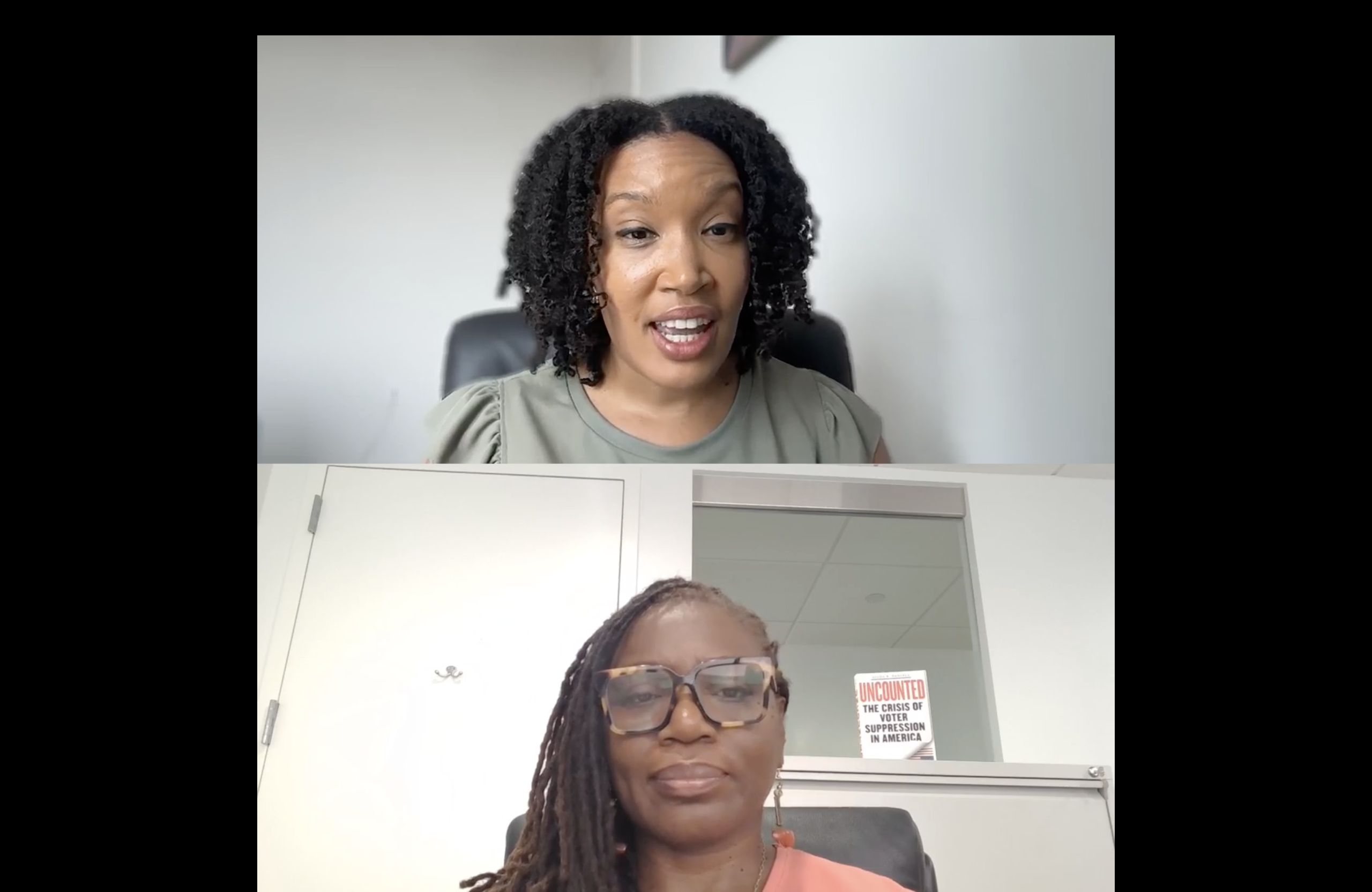
Check out this video for more of my discussion on this topic with civil rights attorney Angela Groves.

Systemic Problems Require Systemic Solutions

The backlash we’ve experienced between 2020 and 2025 shows us that systemic problems require systemic solutions. While we saw the beginning of some measures of progress in the aftermath of the killing of George Floyd, we did not get new federal legislation addressing racial injustices. 

This means we still need to fight for the progress we want to see. 

Check out this video for more of my discussion on this topic with civil rights attorney Angela Groves.

Voters Showed Us That DEI Still Matters 

Last week, voters turned out to the polls for several important elections. The results suggest that diversity, equity, and inclusion still matter to many voters. 

There were several historic firsts as a result of last week’s elections, including: 

  • Zohran Mamdani, born in Uganda to parents of Indian descent, will be the first Muslim mayor of New York City. 
  • Abigail Spanberger will be the first woman to serve as governor of Virginia. 
  • Mary Sheffied will be the first woman to serve as mayor of Detroit. 
  • Ghazala Hashmi became the first Muslim woman elected to statewide office. 
  • Kaohly Her will be the first Hmong person to serve as mayor of St. Paul, Minnesota.

True democracy is diverse, equitable, and inclusive. These historic wins demonstrate the power of our vote and the potential of our democracy. 

To learn more about the newly elected officials named above, check out this article from the New York Times. 

Defending democracy is 24/7/365

Make Your Voting Plan Today

Election Day is Tuesday, November 4th! If you haven’t done so already, now is the time to make your voting plan. 

Every voter should have a plan before casting their ballot. Here are five steps you can take to make your voting plan: 

  1. Confirm your voter registration status. Some states, such as Virginia, allow you to register in person on Election Day or during early voting. You can check your registration status using this tool (https://www.vote411.org/check-registration).
  1. Research your early voting options. You can use this tool (https://www.vote411.org/search-by-topic) to find more information about early voting in your state (select your state and the topic “early voting”).
  1. Learn your options for voting in person on Election Day. Know in advance where you can vote in person and what to bring with you. This tool (https://www.vote411.org/) can help.
  1. If you are voting in person, decide how and when you will get to the polls. 
  1. Get to know more about the candidates and issues on your ballot. My blog post on researching candidates has tips on how to prepare.

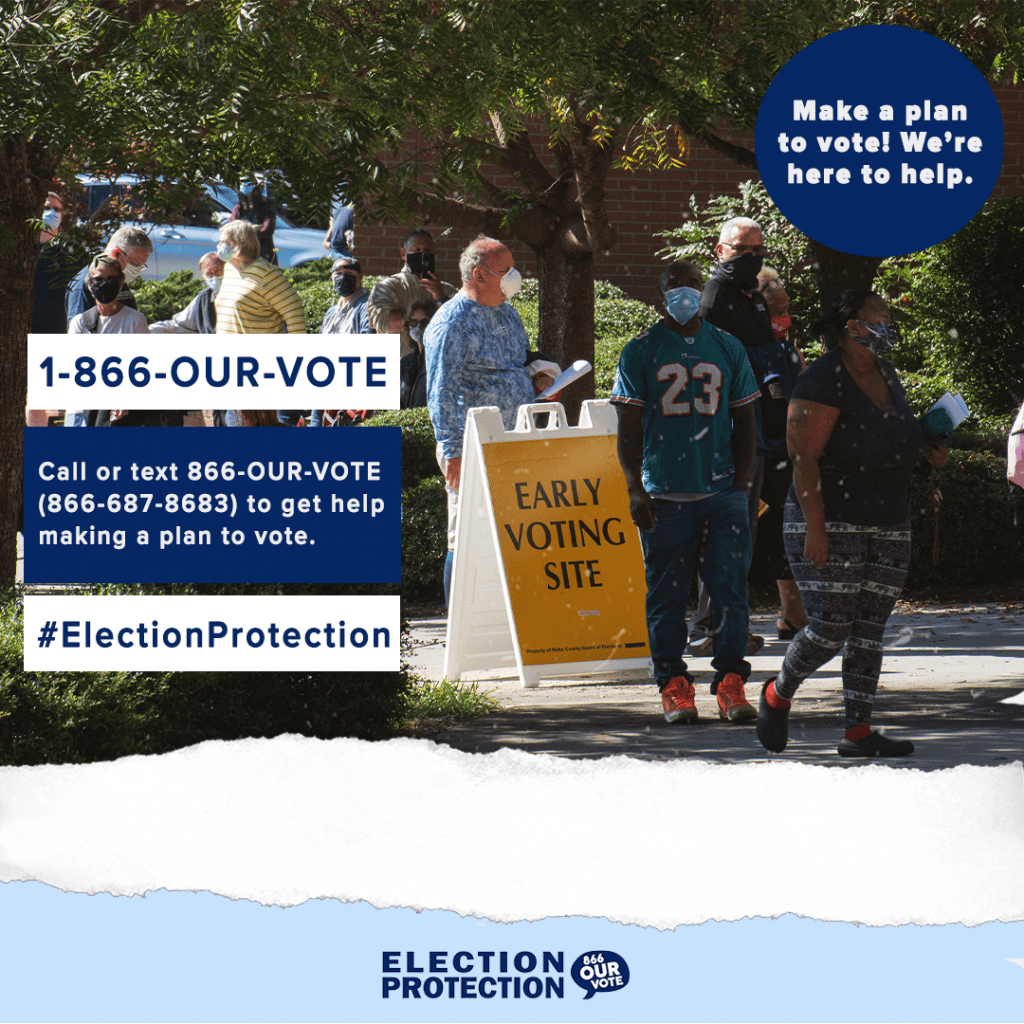
If you need additional help creating your voting plan, you can call 1-866-OUR-VOTE for nonpartisan support. Make your voting plan now and be prepared to exercise your right to vote in this election!

Defending Democracy is 24/7/365

Educate Yourself Before You Vote: How to Research Your Ballot

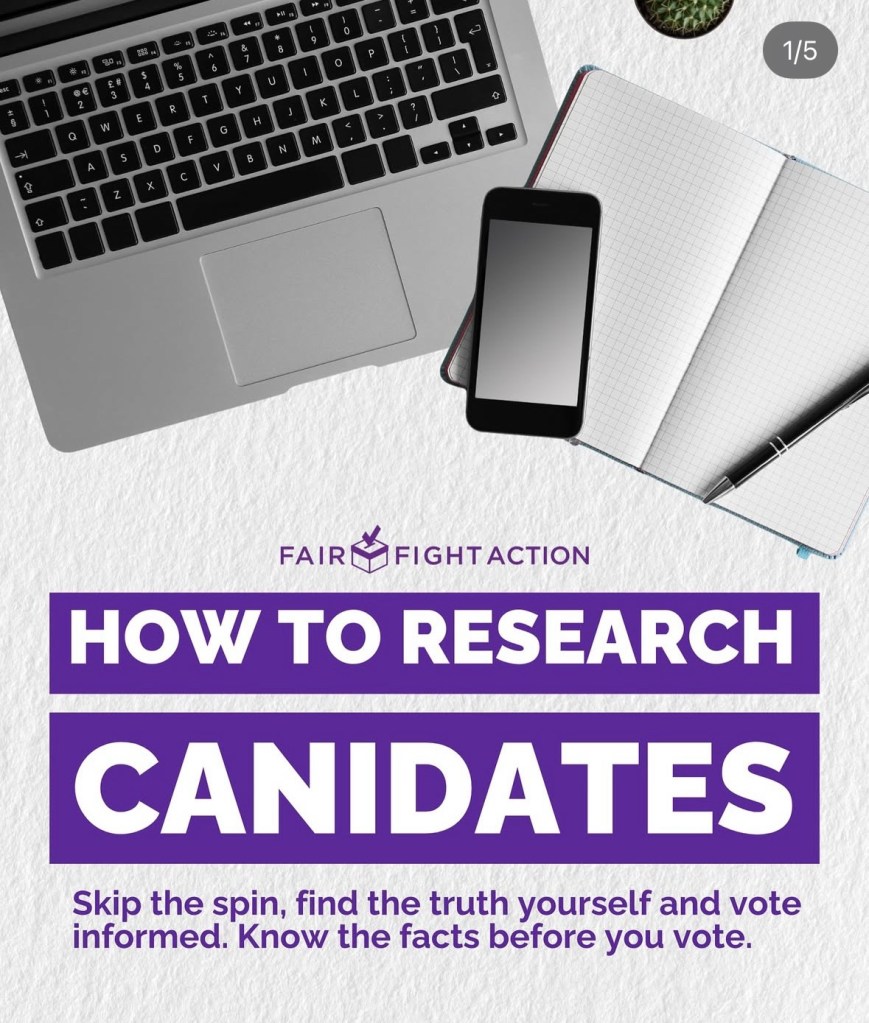
Graphic by Fair Fight Action

Election Day (Tuesday, November 4th) is around the corner! It is critical to educate yourself before casting your ballot. Below are some steps you can take to make sure you are an informed voter. 

  1. Find out what will be on your ballot. Many local election offices mail sample ballots to voters. If you do not receive a sample ballot in the mail, check your state’s election office website or visit your local election office in-person. 
  2. Research the candidates on your ballot. Each of the sources below may provide useful information about the candidates.
    • Candidate websites and campaign materials provide their firsthand account of candidate positions and qualifications. 
    • Endorsements can provide information about a candidate’s values and priorities. 
    • Past voting records reveal the stances a candidate has taken in the past. 
    • Debates and town halls allow you to hear directly from multiple candidates on important issues in the election. 
    • Voter guides can be informational or political depending on the author. You can find organizations that align with your values and use their voting guides as a reference for determining your vote. 
  3. Fact check ads and social media content to ensure that the information you are using is accurate. 

Learn more about how to research your ballot at the link below: https://www.rockthevote.org/explainers/how-to-research-your-ballot/

Stay informed and get out to vote on November 4th!

Louisiana v. Callais Argument

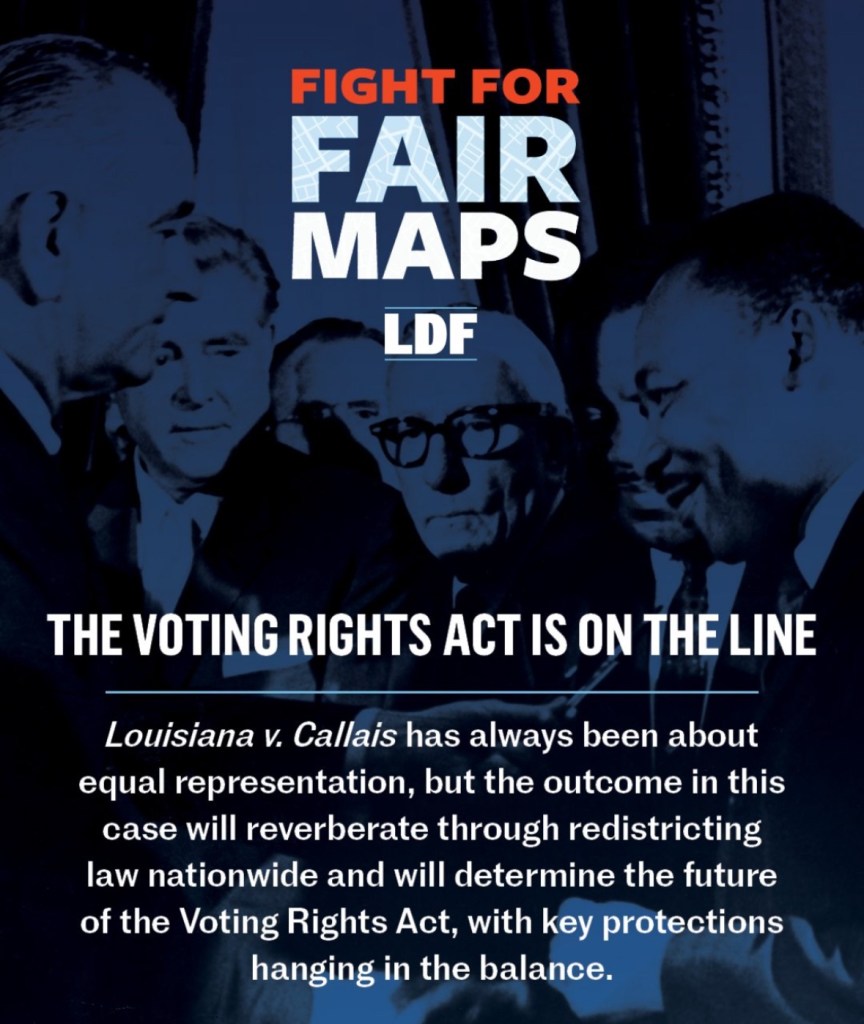
Today, the U.S. Supreme Court heard arguments in Louisiana v. Callais. This is an important case for voting rights and I encourage you to closely monitor its outcome. 

The case is about equal representation for Black voters and the role of race in the redistricting process. However, key protections of the Voting Rights Acts (VRA) are on the line due to supplemental questions posed by the Court regarding the constitutionality of the application of the VRA in redistricting. 

Check out this explainer from LDF to further inform yourself about this important case. We must defend our voting rights!

From 2020 to 2025 (Part 1)

Between 2020 and 2025, we saw a period of progress followed by a swift rollback. In reflecting on this change, I must remind us of the period of Reconstruction. 

During Reconstruction, Black Americans experienced eight years of freedom, building businesses and communities, even becoming elected officials. After only eight years, these freedoms were taken away. 

In the aftermath of the horrific killing of George Floyd, we entered into a similar period where it seemed as if we were making great progress. America was seeing itself and didn’t like what it saw. However, the country seemed to decide that it would only go so far. We did not get nearly enough systemic change, especially at the federal level. 

All this means we still have to be engaged and ready to do the work of reconstructing the country we want to live in. 

See an excerpt of my conversation on this topic with civil rights attorney Angela Groves in this video

*Defending democracy is 24/7/365 

Advice to Law Students: Know Your Why

The new academic year is now in full swing. As a law professor, I am often asked if I have advice for incoming law students. 

First, even with the new challenges in education, I still believe in the value of education and in the value of a law degree. 

Second, I tell my students that you have to know why you’re here. Remember why you wanted to become a lawyer as you prepare to make sacrifices to reach your goal. 

Check out this video for my conversation on this topic with civil rights attorney Angela Groves. Share this message with an incoming law student (and remember to support them along their journey)!

Announcing the ‘In Good Faith’ Newsletter

I am excited to announce my latest Substack newsletter, “In Good Faith”. I am co-authoring this Substack with political strategist and civil rights attorney Leslie Gross. You can subscribe and learn more here.

In Good Faith is a democracy-focused Substack that goes behind the headlines to explore the legal principles and broken promises shaping our civic life.

Every week, In Good Faith will spotlight one clear example of when power breaks its promise—whether it’s a violation of the Constitution, an abuse of public trust, or a failure of basic ethical leadership.

Each post will:

  • Explain what happened and why it matters
  • Show how it should have worked under law and principle
  • Offer practical ways you can respond, share, and help rebuild trust
  • Include a short 2–3 minute video conversation unpacking the issue

We’re creating more than a newsletter. In Good Faith is a community of people—professionals, parents, voters, and leaders—who still believe democracy can work when we hold it accountable. It’s a space for honest conversation, principled debate, and shared tools for defending the rule of law.

Together, we’ll model the very values we want to see in our leaders: openness, cooperation, consistency, and respect for the dignity of every person.

Because promises to the people are sacred.

Public Media and Democracy

Last week, Congress clawed back $1.1 billion in funding that had previously been allocated to the Corporation for Public Broadcasting.

Public media sources like NPR and PBS help people stay informed about what’s happening in their communities and government. I regularly encourage people to educate, litigate, legislate, and participate to create social change. Trustworthy public media sources support the first prong – educate – by providing a way for all of us to stay informed about important developments that affect our lives. 

A thriving democracy requires a well-informed public and strong civic engagement. Cuts to quality public media are strikes against our democracy. 

To learn more about the recent cuts to public media, review this report from NPR: https://www.npr.org/2025/07/18/nx-s1-5469912/npr-congress-rescission-funding-trump 

John Lewis National Day of Action 

Source: Britannica

Today is the John Lewis National Day of Action. Congressman John Lewis passed away five years ago on July 17th, leaving a remarkable legacy of civil and human rights advocacy.  

Congressman Lewis was a leading advocate for voting rights and the John Lewis Voting Rights Advancement Act (VRAA) was named in his honor. The VRAA, which is yet to be passed by Congress, would strengthen legal protections of our voting rights. Given the ongoing attacks against these rights, the VRAA is as needed as ever.  

Specifically, the VRAA would update the preclearance program that was gutted by the Supreme Court in Shelby County v. Holder (2013). The VRAA preclearance framework would require jurisdictions with a history of voting discrimination to get prior approval before implementing electoral changes. The VRAA would also strengthen Section 2 of the Voting Rights Act of 1965, which allows voters to sue to block discriminatory voting laws.   

To learn more about the VRAA, read this fact sheet by the Brennan Center for Justice: https://www.brennancenter.org/our-work/research-reports/john-r-lewis-voting-rights-advancement-act

To find a John Lewis National Day of Action event near you, check out this resource from Good Trouble Lives On: https://goodtroubleliveson.org/#attend

Defending democracy is 24/7/365 

Commemorating the 61st Anniversary of the Civil Rights Act of 1964

Last week marked the 61st anniversary of the Civil Rights Act of 1965 (“CRA”). The CRA was signed into law by President Lyndon B. Johnson on July 2, 2024. This landmark civil rights legislation was passed as a result of coordinated organizing, litigation, protests, and other social movement strategies. 

The CRA prohibits discrimination on the basis of race, color, religion, sex, or national origin in public places and employment. The CRA also declared the integration of public accommodations and schools. Here are three resources you can consult to learn about more the CRA:

  1. Legal Defense Fund, 2024 Statement on the CRA: https://www.naacpldf.org/press-release/ldf-reflects-on-60th-anniversary-of-the-civil-rights-act-of-1964/ 
  2. National Archives, Milestone Documents: https://www.archives.gov/milestone-documents/civil-rights-act 
  3. American Bar Association, 2024 Webinar Series on Preserving the Integrity of the CRA: https://www.americanbar.org/groups/diversity/resources/civil-rights-act-1964-program/ 

Today, the protections provided by the CRA are under attack as much as ever. We can commemorate the anniversary of the CRA by defending the principles it championed and fighting for the further expansion of our civil rights. 

What to the Slave is the Fourth of July?

National Archives and Records Administration

As the Fourth of July holiday approaches, I am reminded of Frederick Douglass’ powerful 1852 address. I encourage you to join me in reflecting on his speech this weekend, an excerpt of which is included below: 

“I say it with a sad sense of the disparity between us. I am not included within the pale of glorious anniversary! Your high independence only reveals the immeasurable distance between us. The blessings in which you, this day, rejoice, are not enjoyed in common. The rich inheritance of justice, liberty, prosperity and independence, bequeathed by your fathers, is shared by you, not by me. The sunlight that brought light and healing to you, has brought stripes and death to me. This Fourth July is yours, not mine. You may rejoice, I must mourn.”

To learn more about Douglass’ speech and watch his descendants recite the speech in 2020, check out this resource from the National Museum of African American History and Culture: https://nmaahc.si.edu/explore/stories/nations-story-what-slave-fourth-july

Calling Out the Dismantling of the DOJ Civil Rights Division 

Last week, the Leadership Conference on Civil and Human Rights, along with 85 national civil rights organizations, submitted a powerful letter calling on congressional leaders to exercise their oversight responsibility over the U.S. Department of Justice’s Civil Rights Division. The letter is worth a read. 

In the letter, the Leadership Conference outlines the unprecedented dismantling of the Civil Rights Division under the current administration. It explains how the mission of the Division, which has historically played an important role in advancing civil rights, has been abandoned. It also sounds the alarm on the significant loss of civil rights expertise within the Division, estimating that the attorney staff has been reduced by about 70%. Even more, the Division has withdrawn from litigating important pending civil rights cases. 

We must stay educated about these troubling developments and do our part to speak out. 

Defending democracy is 24/7/365

Resist and Persist

Understandably, many are in a moment of reset. Do not mistake a reset for a surrender. 

In this moment, I’ve been encouraging people to resist and persist. You can resist the attacks on our rights wherever you are. For some, such as law students, their resistance is being exceptional law students. For others, it’s going to work every day and taking care of their families. 

Wherever you are, you have a role to play. Rest, but don’t quit. 

Check out the video on my LinkedIn page for more of my discussion on this topic.

Defending democracy is 24/7/365.